
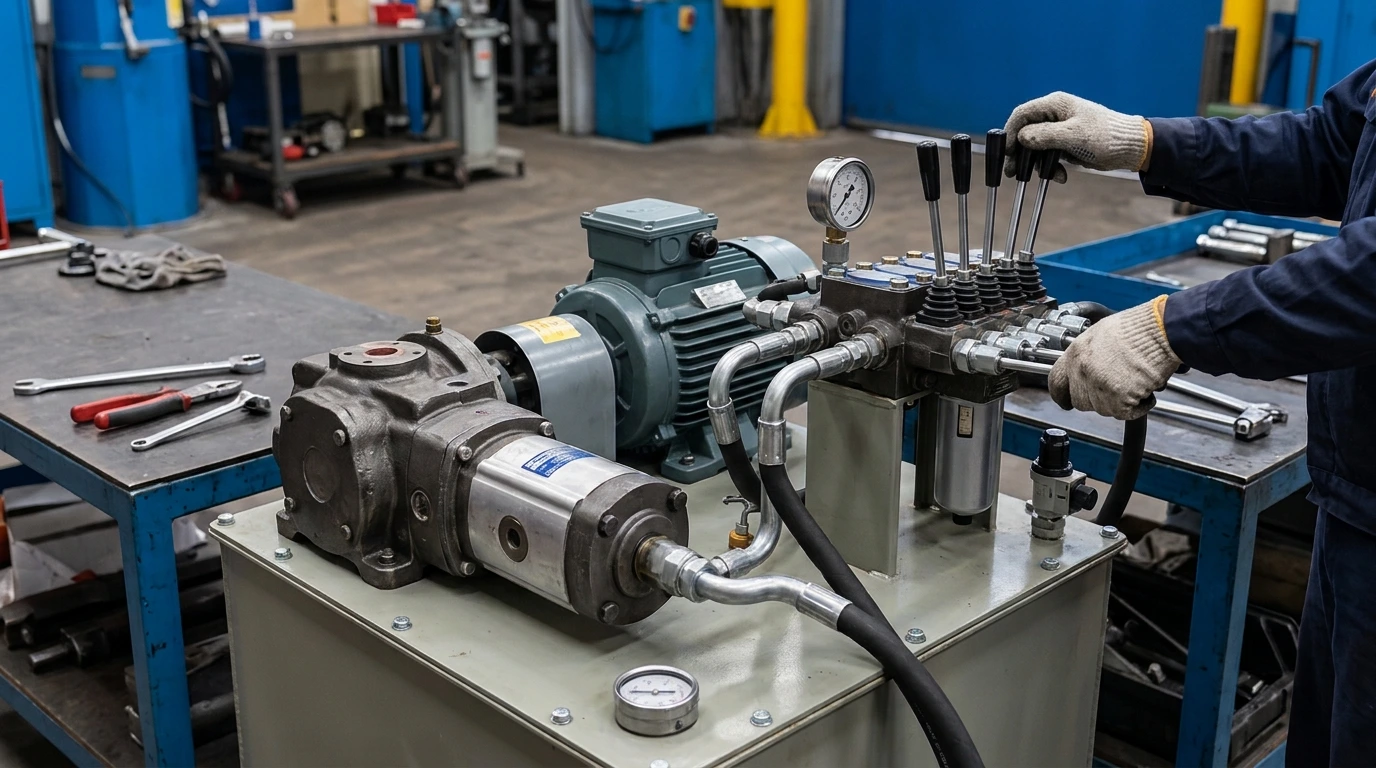
Plan hydraulic pump and valve testing in Melbourne before an equipment refit. Compare test scope, fault evidence and component details.
Equipment refits can expose hidden hydraulic faults after components have already been installed. Hydraulic pump and valve testing measures flow, pressure stability and control response before parts return to the machine. The findings guide repair decisions without assuming every weak response comes from the same component.
A refit may involve new seals, repaired housings, replacement valves, hose changes or adjustments elsewhere in the circuit. Hydraulic pump and valve testing gives the workshop measured information before reassembly, which can reduce the chance of removing the same component again after commissioning.
Testing should reflect the component type, available specifications and intended operating duty. Results outside the expected range still require technical interpretation since contamination, wear, incorrect settings or connected-system faults can produce similar symptoms.
The test scope should be agreed before work begins and matched to the equipment information available. Maintenance teams should provide model details, reported symptoms, service history and any recent circuit changes.
Typical checks may include:
Hydraulic pump and valve testing should document readings, conditions and unresolved concerns to guide retention, adjustment, repair or replacement. Check the wider circuit for suction restrictions, contamination, incorrect relief settings, hose damage and actuator leakage before installation. Follow WorkSafe Victoria’s safe isolation checklist to isolate energy sources and verify zero energy and use the manufacturer’s removal and refitting procedures.
Reassembly should begin only after component compatibility has been confirmed. Follow the specified tightening procedures, fluid requirements and commissioning steps before returning the equipment to operation. Final checks should include leak inspection, controlled start-up, pressure and flow verification, operating temperature and any signs of abnormal noise or delayed movement.
We carry out factory and on-site hydraulic services, including pump and valve assembly and testing, repairs, troubleshooting, hose fabrication and system commissioning for mobile and industrial equipment. Equipment owners planning a refit can review practical applications of high-pressure hydraulic valves and on-site hydraulic troubleshooting for cold weather failures before confirming replacement parts or arranging testing.
A refit should return equipment to service on evidence, not guesswork. Hydraulic pump and valve testing can identify component concerns before installation and give maintenance teams a stronger basis for repair, replacement and commissioning decisions.
Mobile Hydraulic Specialties can assess the requested testing scope against the component details, reported fault and available equipment information. Visit the contact us page with photographs, model and serial details, test specifications, fault symptoms, service history, quantities and required timing. We will discuss whether workshop or on-site assessment suits the job and what information is needed before a testing scope can be confirmed.
Factory 89, 38-40 Popes Road
Keysborough, Victoria, 3173
Phone: (03) 9798-6511
Optimized by NetwizardSEO.com.au